Getting Real about Cause of Death
Last week, I listened to an interview of a County Coroner in Pennsylvania. The focus of the radio program was whether statistical accuracy for any State’s determination of cause of death is important, especially during the COVID-19 pandemic.
The coroner said “yes” to the softball, threshold question but then the interview took a surprising turn. The host next asked, “How do you characterize cause of death for possible COVID-19 related deaths?” In Pennsylvania, there has been a bit of controversy on this topic, as detailed recently by the Philadelphia Inquirer. For example, if the affected person, especially an older adult, had multiple co-morbid conditions, such as serious heart disease and diabetes, is the new infection with COVID-19 (a contagious disease and public health hazad) the “official” cause of death as recognized by Pennsylvania law at 16 P.S. Section 1218-B (as revised and effective on December 24, 2018)?
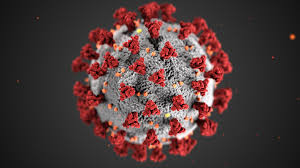
The particular County Coroner, however, took his answer down a whole different path, predicting that COVID-19 deaths may end up being characterized as “homicides,” if or when the disease is proven to be manipulated or caused by a laboratory in China. Whoa!
That track of analysis clearly startled the host, who tried to refocus the speaker’s attention on the potential complicating factors that determine how death is related in whole or in part to the coronavirus disease. But the coroner wasn’t willing to walk back his speculation, and started talking about the need for openness to the possibility of foreign, criminal intention.
The interview was an abrupt reminder that documenting any cause of death can be complicated. This can be especially true when the official in charge of the decision is an elected official. Elected officials, whether at the state or county level, may be subject to political views or pressures. Further, Pennsylvania and a surprising number of other states permit but do not require elected or appointed coroners to have a medical or pathology degree as a qualification for the job. In Pennsylvania, coroners for Class 2 and smaller counties — the vast majority of its 67 counties — are “elected.” In 2018, the state law was amended to require newly elected county coroners to take a 32 hour course of instruction relevant to crime-scene investigation, toxicology, forensic autopsies and the legal duties of a coroner. Officials elected prior to the December 2018 effective date of that modernized law, however, are grandfathered into the credentials and are not required to take or pass any threshold test.
It seems that even without the one coroner’s flirtation with conspiracy theories about the origination of the COVID-19 virus, Pennsylvania state officials were already trying to harmonize state and local policies about reporting COVID-19 as an official cause of death. During the Spring of 2020, Pennsylvania’s Department of Health issued “Guidance” for Coroners and Medical Examiners regarding reporting COVID-19 related deaths, and the policy appears to emphasize that most certifications reporting cause of death are to be made by “a medical professional who attended the deceased during the last illness.” According to the Guidance, it is only when there is a “referral” to the County Coroner or Medical Examiner that the county official would have a role in making a death report under the state’s Vital Statistics Law.