New Jersey’s ORANJ – 2018 Annual Meeting HIghlights
On April 24, 2018, members of the Organization of Residents Association of New Jersey, or ORANJ, held a plenary meeting at Cedar Crest Retirement Community in Pompton Plains, New Jersey. 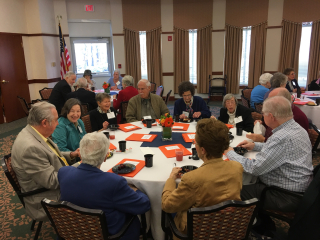
James McCracken, the new president and CEO of LeadingAge New Jersey was the afternoon speaker and he provided a roundup of topics affecting older adults in New Jersey as the legislative season draws to a close, including concerns about “earned sick leave,” delayed Medicaid payments by the state to care facilities, proposed minimums on CNA staffing at care facilities, and changes to minimum wage.
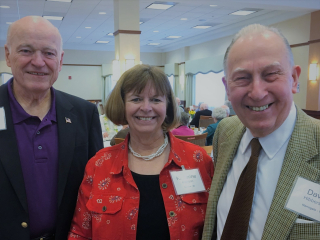
This is at least my third time speaking with ORANJ members over a period of several years, and each time I visit I’m impressed with the strength of their resident organization and their ability to get the state legislature to listen. ORANJ helped their state to be one of the first to get legislative support for CCRC residents gaining the statutory right to serve as voting members on boards of governance, and ORANJ advocacy was also instrumental in passage of an enhanced “bill of resident rights” for CCRC operations.
New Jersey has approximately 40 CCRC/LPC communities within the state. Some 87 percent operate as not-for-profit, while another 13 percent are for profit. The majority of the communities are now part of “multi-site” organizations, and I spoke with several residents who reported on pending conversions of not-for-profit to for-profit.